

Bitcoin Art
A guide to the artists, works & ideas.
The Timechain guide to bitcoin art
Bitcoin art is artwork inspired by Bitcoin, its history, and the ideas surrounding it. Explore paintings, prints, sculpture, and crafted objects that give form to questions of money, freedom, time, and sovereignty.
Understanding the movement
What is Bitcoin art?
A digital monetary system can inspire a painting, a carved stone, a public mural, or a carefully made book.
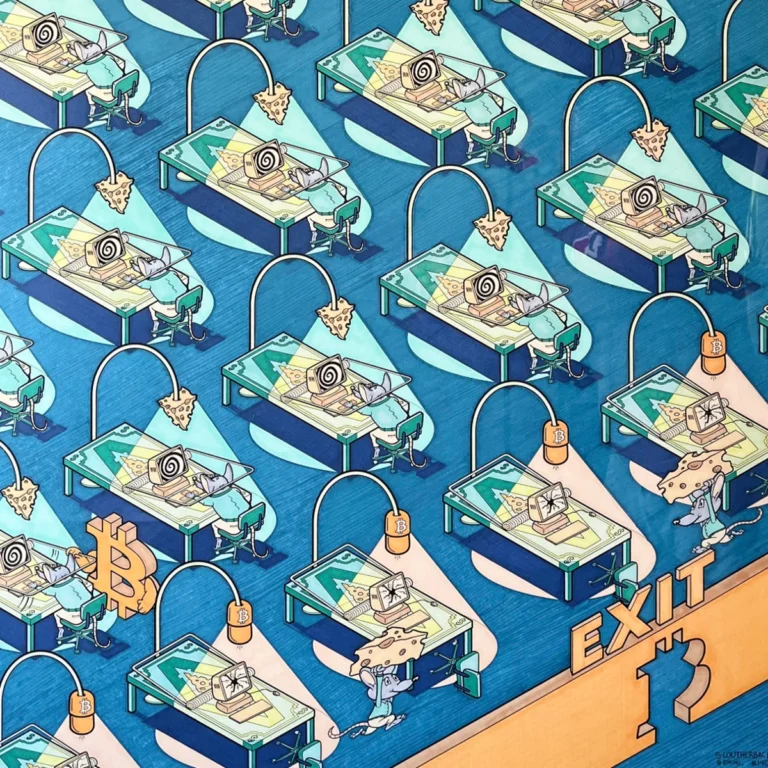
Bitcoin art connects artistic practice with Bitcoin’s technology, history, symbols, and social implications. Its subjects range from Satoshi Nakamoto and the Bitcoin symbol to privacy, personal autonomy, monetary policy, and the passage of time. Some works communicate an explicit message. Others approach these ideas through materials, composition, humor, or the process of making.
The term describes a field of interest rather than one visual style. A meticulously engraved panel and an expressive street mural can belong to the same conversation while looking entirely different. The useful questions are what a work explores, how the artist makes it, and how its relationship to Bitcoin is expressed.
Timechain’s focus is on paintings, prints, sculpture, functional objects, and hand-finished works. This guide introduces that material side of the movement and connects it to the artists, essays, and conversations in our archive.
Why Bitcoin inspires artists
Money shapes decisions about work, independence, and the future. Art gives those questions a form that people can encounter, question, and live with. A familiar object can become unfamiliar when an artist changes its material or context; an abstract argument can become personal through a portrait or a story.
For some artists, Bitcoin also informs the conditions of making: the time given to a piece, the durability of its materials, or the freedom to pursue a practice. Brekkie’s account of stone carving offers one artist’s perspective on this relationship between an idea and a working life.
Discover the directory
Bitcoin artists to explore
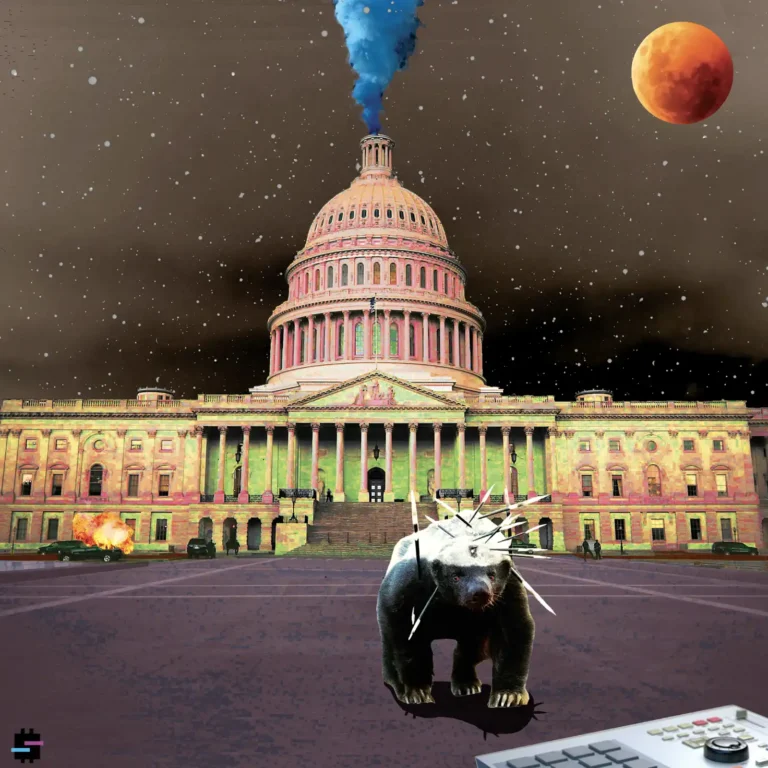
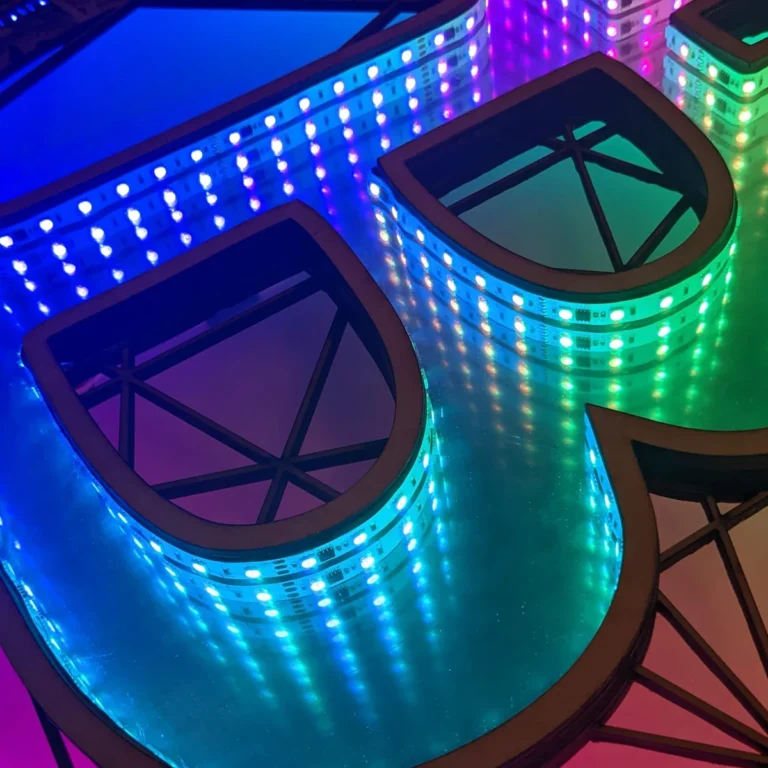
A random selection of eight artists from our directory. Follow a profile to explore their practice.

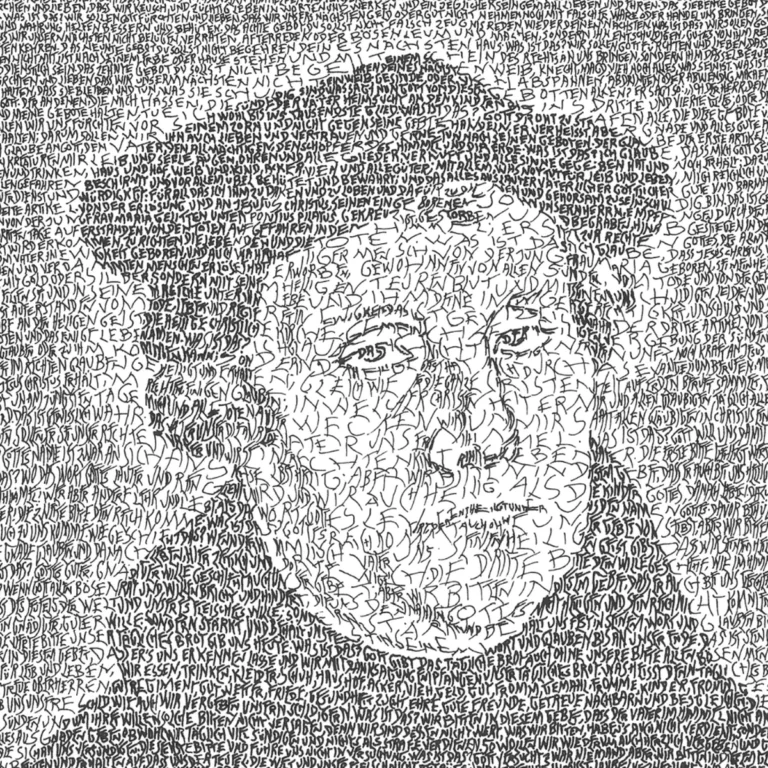
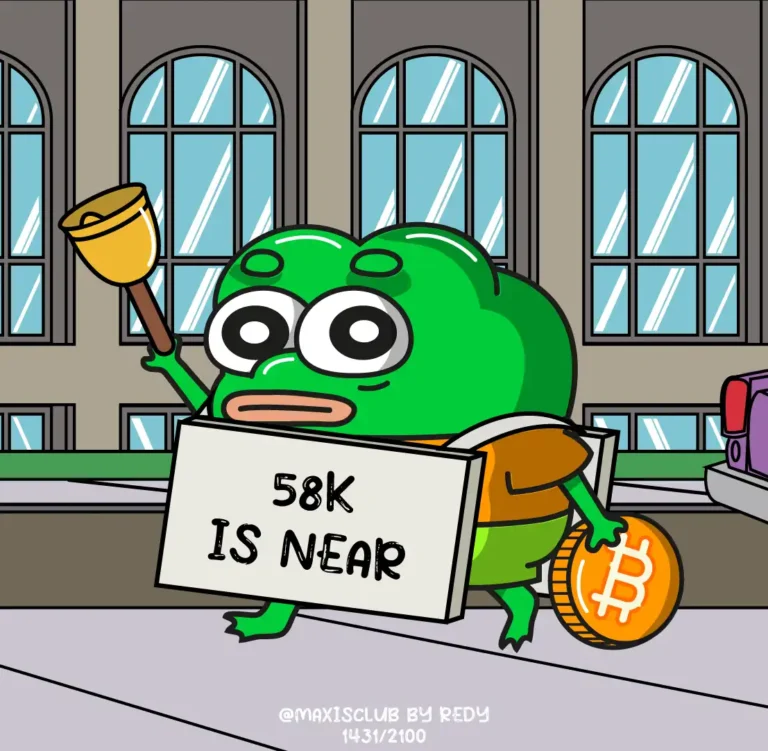
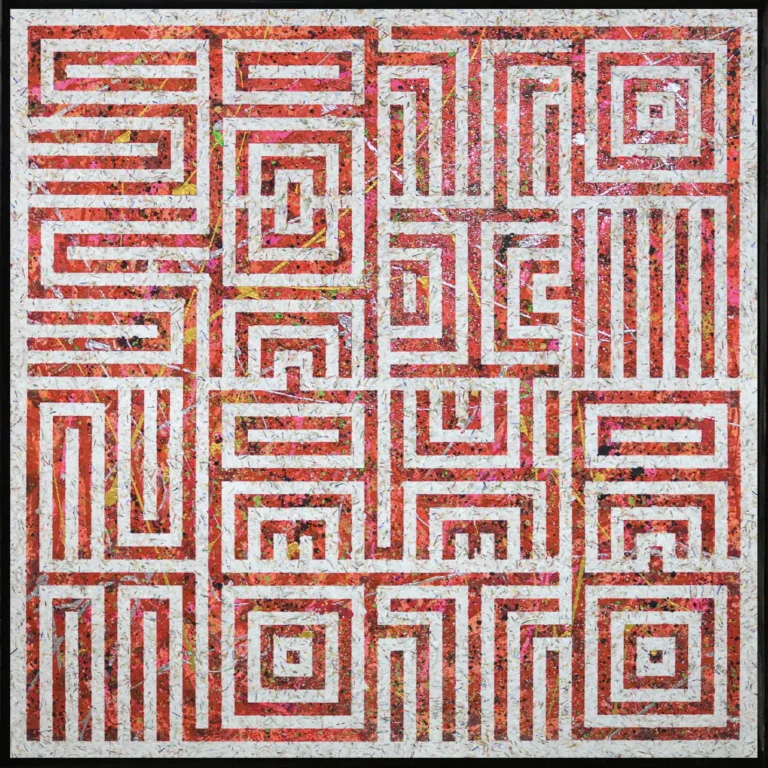
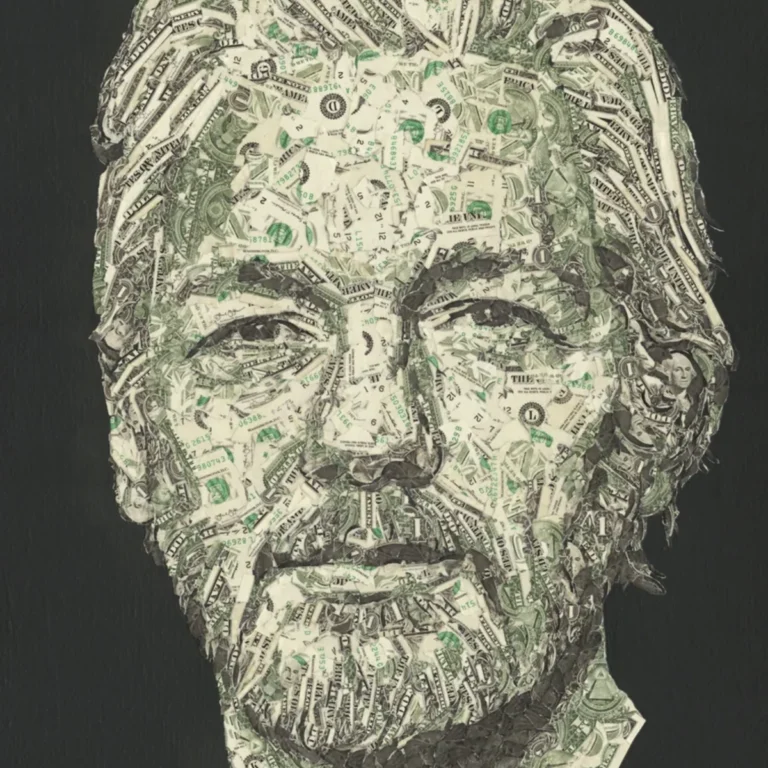
There is more to discover.
Browse the Bitcoin artist directory for more than 80 artist profiles, including established names and emerging creators.
Looking at the work
Paintings, prints, sculpture & craft
Medium matters. The material and the method can tell you as much as the image.
Paintings & murals
Look at composition, brushwork, scale, and context. An image painted in a public place has a different relationship with its audience from a small work intended for a home. Bitcoin themes can appear through portraits, historical references, imagined futures, or scenes of contemporary life.
Prints & editions
Ask how a print was made. Screen prints, etchings, and fine art reproductions involve different processes. Paper, ink, dimensions, edition size, and any work applied by hand help explain what you are seeing. A limited edition describes the size of a release, not a single printing technique.
Sculpture & objects
Stone, bronze, wood, and found materials bring weight, texture, and scale into the encounter. Consider how a sculpture changes as you move around it. In works made from banking materials, the former purpose of the object can be as significant as its new shape.
Craft & functional works
Engraving, gilding, inlay, ceramics, and furniture invite attention to construction and use. Joinery, repeated finishing, and small variations record the artist’s decisions. A functional work also asks how an idea becomes part of daily life when the artwork is handled, used, or lived with.
Recurring ideas
What Bitcoin art explores
Shared questions connect the field. Each artist answers in their own way.
Money & power
Banknotes, institutional symbols, and familiar financial objects can become material for examining who issues money, who controls it, and whose interests it serves. Reworking these objects invites viewers to reconsider the authority they normally carry.
Time & work
Repetition, patient craft, and durable materials can give form to ideas of accumulated effort and long-term thinking. When artists describe making as “proof of work,” they are using a cultural analogy; the labor of making an artwork is distinct from Bitcoin’s mining mechanism.
Freedom & memory
Privacy, self-determination, and resistance to censorship appear alongside portraits, tributes, and records of shared events. An artwork can preserve how people understood Bitcoin at a particular moment, including their hopes, disagreements, and sense of possibility.
A useful way to read any work: begin with what you can see, learn how it was made, and then consider the ideas the artist brings to it.
A visual vocabulary
Reading the symbols in Bitcoin art
Useful starting points for interpretation. A symbol’s meaning depends on the work and the artist’s intent.
- The Bitcoin symbol
- The recognizable letterform can make the subject immediately legible. Look at what contains it, what it is made from, and what surrounds it. Those choices determine whether it functions as a subject, a pattern, a marker of identity, or a point of tension.
- Numbers & scarcity
- The number 21 can refer to Bitcoin’s supply limit of 21 million. In an artwork or edition, ask whether the artist intends that connection. An edition number describes the release; it does not establish the artistic quality of the work.
- Satoshi & identity
- The name Satoshi Nakamoto opens questions about authorship, anonymity, and recognition. A symbolic portrait can explore those questions without identifying the person or people behind the pseudonym. Read the artist’s account before treating a face as a historical claim.
- Keys & access
- A key, lock, door, or enclosure offers a way to think about permission and control. The interpretation depends on who appears to hold access and what is being protected. cryptograffiti’s “Proof of Keys” provides a concrete material example.
- Clocks & blocks
- Dates, repeated units, and sequences can connect a work with the passage of time. FractalEncrypt’s functional sculptures explore Bitcoin through mechanisms representing block heights and longer periods. Here, time is something the work can also display.
- Reused money
- A banknote or banking object arrives with an earlier function and history. Cutting, assembling, painting, or repurposing it changes how it is encountered. Ask whether the work preserves, questions, or transforms the authority attached to that material.
Further context: Bitcoin’s monetary design · FractalEncrypt on time and sculpture
Selected milestones
A short history of Bitcoin art
A few documented entry points into a history with many contributors.
-
2013
Street art meets Bitcoin
cryptograffiti’s practice dates to street interventions in San Francisco incorporating public Bitcoin addresses, connecting images in public space with a new way to support an artist.
Explore the documented practice -
2014
A familiar painting reimagined
Youl creates “Bitcoin Last Supper,” an acrylic painting on canvas that reworks Leonardo da Vinci’s composition around Bitcoin. The work brings the emerging culture into conversation with a familiar image from art history.
View the artist’s painting archive -
2016
Rare Pepes bring meme culture into collecting
Rare Pepes emerge as artist-made digital collectible cards issued through Counterparty on Bitcoin. Combining internet humor, pop culture, and community participation, the project becomes an early chapter in NFT art history.
Explore the Rare Pepe project’s history -
2017
Imagining Bitcoin as banknotes
Matthias Dörfelt creates “Block Bills,” a series of 64 banknote images generated from Bitcoin block data. Colorful patterns and imagined portraits translate a digital monetary system into the familiar visual language of paper money.
View the artist’s record -
2018
A full-time artistic practice
Lucho Poletti leaves his corporate career to focus on Bitcoin-related art. His practice becomes one example of an artist building a sustained body of work around monetary ideas.
Read the artist’s account -
2019
The mural as an invitation
Pascal Boyart’s “Liberty Leading the People 2019” marks the tenth anniversary of Bitcoin’s genesis block. A puzzle embedded in the mural makes looking and participating part of the encounter.
Read about the mural -
2022
Bitcoin enters the furniture
Bitchair begins its project after years of chair restoration and woodworking, extending Bitcoin’s visual language into furniture and functional sculpture.
Explore the project’s beginnings -
2024
Sculpture as a tribute to freedom
The Human Rights Foundation launches the Finney Freedom Prize on April 19. cryptograffiti’s award sculpture places a bronze dove above a Bitcoin block foundation, connecting the tribute to ideas of liberty.
Read the launch announcement · View the artist’s record -
2025
Bitcoin art finds a dedicated publication
Bitcoin Art Magazine, now Timechain Art Magazine, is founded and launches its Genesis Edition, bringing Bitcoin art and artists together in print.
-
2026
A gallery within a conference
BTC Prague’s art program presents “Building Bridges,” curated by FractalEncrypt. The organizer’s exhibition interview describes bringing artists together and making the details and scale of their work accessible in person.
Read the curator interview
These examples trace several approaches, rather than identifying a single founder or a complete chronology. Paintings, public works, prints, and crafted objects continue to develop alongside the people and ideas surrounding Bitcoin.
A collector’s starting point
How to choose Bitcoin art
Start with the work you want to spend time with. Then learn about the artist, the materials, and the particular object or edition you are considering.
Artist websites, galleries, exhibitions, and specialist publications can help you discover work. Our directory offers a route into artists’ practices; availability and purchase terms should be confirmed with the artist or seller.
Understand what the object is.
Confirm whether it is a unique original, an editioned print, a reproduction, or a work with hand-applied additions. Ask for the medium, support, dimensions, and clear photographs of the actual piece.
Read the edition information.
For an edition, confirm the number of copies, whether there are artist’s proofs or other variants, and how each copy is signed or numbered. The word “limited” is useful only when the limits are explained.
Keep the artwork’s record.
Retain the invoice, title, artist’s name, date, edition details, and any certificate supplied. Provenance is the history of an artwork’s ownership. A certificate is one part of the documentation, and its issuer matters.
Consider display and care.
Ask about framing, mounting, light exposure, cleaning, and transport. A work on paper, a lacquered panel, and a heavy sculpture have different needs. Get care instructions for the materials in the piece you choose.
Let artistic interest lead.
Consider the quality of the work, its connection to the artist’s wider practice, and what it means to you. A small edition or a Bitcoin theme does not guarantee future resale value.
Edition terms worth understanding
What a description tells you, and what to ask next
- Original print
- A work conceived through a printmaking process. Confirm the process and edition details; an original print can exist in multiple impressions.
- Reproduction
- A printed version of an existing work. Confirm the source work, printing process, support, dimensions, and any edition limit.
- Artist’s proof / AP
- An impression designated as an artist’s proof, usually outside the numbered edition. Ask how many proofs exist alongside it.
- Hand-finished
- Some work has been applied by hand. Ask what was added, how much varies between copies, and how the underlying image was produced.
- Certificate of authenticity
- A document identifying and attesting to a work. Check who issued it and whether its title, medium, dimensions, and edition details match the object.
From the Timechain archive
Hear from the artists
Essays and conversations that take the guide into the studio.
Carving Bitcoin in Stone
A sculptor’s account of patience, material, and the relationship between making and proof of work.
Read the essayBeginning with the clay
Antonio Batzu joins Yonat Vaks to discuss finding natural clay and working with material gathered from the landscape.
Watch the conversationArt, time & the making process
A conversation with Yonat Vaks about materials, time, process, and meaning in Bitcoin-related art.
Watch the conversationWhere to experience Bitcoin art
Look for artist exhibitions, studio visits, specialist galleries, and art programs within Bitcoin events. In person, notice the actual scale, surface, and construction. Ask which features are difficult to see in a photograph and how the work was intended to be displayed.
BTC Prague’s “Building Bridges” curator interview offers a documented example of an art program within a conference. For future visits, confirm dates, venue access, and participating artists with the organizer. Exhibition schedules change; an archived report is a record of a particular event.
From the studio
Making the work. Sharing the story.
If Bitcoin informs your practice, help viewers understand the connection. A clear record of the work gives editors, curators, and collectors something concrete to explore.
Start with a question that matters to you.
What aspect of Bitcoin interests you: control, time, work, memory, or exchange? Let that question shape the material and composition. Explain the relationship in your own words.
Show how the work is made.
Photograph the finished object, its details, and its scale. Keep a record of experiments and studio stages. Explain digital, printed, and hand-applied elements accurately.
Make the details easy to find.
Record the title, year, medium, support, dimensions, and edition information. Include image credits and a short artist statement. Give each finished work a stable page in your portfolio.
Share a focused introduction.
Send a short biography, a portfolio link, and a few representative works with complete captions. Describe the connection to Bitcoin and the question you want the work to open. A submission is an invitation to editorial consideration.
Common questions
Bitcoin art, explained.
What makes a work Bitcoin art?
A meaningful connection to Bitcoin’s ideas, history, technology, or culture. That connection can appear in its subject, materials, process, or the artist’s stated intention. It does not require one style or a visible Bitcoin symbol.
Can Bitcoin art be a painting or a sculpture?
Yes. Paintings, prints, murals, stone carving, bronze sculpture, furniture, and hand-finished objects all appear in the field. Bitcoin can be the subject or inspiration for an artwork made with traditional materials.
Is Bitcoin art always digital?
No. The wider term can include digital work, but many artists make objects using paint, paper, wood, stone, metal, and other materials. Timechain’s guide concentrates on these tangible works and the people who make them.
Where can I find Bitcoin artists?
Start with Timechain’s Bitcoin artist directory, which brings together more than 80 profiles. Explore a practice through its profile, then seek out the artist’s own statements, exhibitions, and available work.
Where can I buy Bitcoin art?
Explore artists’ own shops, galleries representing their work, and exhibitions with a clear sales contact. Check current availability with the seller. Timechain also has a shop featuring its publications and selected art releases.
Do I need bitcoin to collect Bitcoin art?
Payment options depend on the artist or seller. Some accept bitcoin, some accept conventional payments, and some offer both. Confirm the available methods, shipping arrangements, and purchase terms before ordering.
What is the difference between an original and a print?
An original painting or sculpture is an individual artwork. A print is produced through a printing process and may be an original editioned work or a reproduction of another work. Ask which description applies and whether any elements were added by hand.
Can a digitally designed image become a handmade work?
Yes. An artist might develop an image using digital tools, then print, paint, engrave, or otherwise work with it as an object. Describe the actual process clearly. A painted addition, a signature, and a wholly hand-painted composition are different kinds of work.
What affects the price of Bitcoin art?
Medium, size, edition, condition, provenance, the artist’s practice, and the seller’s terms can all matter. Compare like with like and ask what is included, such as framing and shipping. A theme or edition size alone does not establish a fair price or future value.
About this guide
Documenting the work.
Preserving the context.
Timechain Art Magazine is an independent art and culture publication founded by Asanoha, Founder and Editor-in-Chief. Our focus is the artwork and creative practices shaped by Bitcoin, with an emphasis on painting, printmaking, sculpture, and craft.
This guide connects artist profiles with published essays and conversations. The selections introduce different approaches; they are not a ranking of artists. Artwork titles and materials can be explored further through the linked profiles and artist sources.