

cryptograffiti: Bitcoin Art and the Materials of Banking

cryptograffiti has been creating Bitcoin-related art since 2013, when he began producing street art in San Francisco and experimenting with Bitcoin payments as part of his practice.
Before becoming a full-time artist, cryptograffiti worked at Apple and developed a technology startup inspired by MySpace’s popular Top Eight feature. He was first introduced to Bitcoin by a developer working on the project who wanted to be paid in it. Although cryptograffiti found Bitcoin difficult to use, his interest was sparked and ultimately resulted in him changing his career.
His early street art installations included Bitcoin addresses, allowing viewers to send him payments directly. These experiments created an innovative and practical way for the public to engage with the technology back when Bitcoin was still largely unknown.
cryptograffiti describes himself as a Bitcoin activist artist. He uses his art to promote a grassroots movement that he believes has the potential to bring significant positive change to the world.
He explains the thinking behind his artistic practice on his website:
“I see Bitcoin as a necessary alternative to our broken financial system. Beyond finance, I believe separating money from state is one of the most crucial steps we can take for humanity in an increasingly Orwellian society.”
“Art has the ability to distill complex subject matter into something more people can understand. This is especially important with Bitcoin as those who stand to benefit from it the most are likely to learn about it the latest.”
His art is always striking and thought-provoking. It incorporates various items from banks and financial institutions, including old safe deposit boxes and devalued currencies, as well as many other items that carry meaning when considering the history of money and the technology surrounding Bitcoin, including shells, beads, mining hashboards, fans and such.
One of his early works, United Nodes of Bitcoin, 2015, is an American dollar bill featuring a hooded George Washington and references to Bitcoin’s decentralized monetary system. It was exhibited in San Francisco in 2016, and later it formed the basis of Bitcoin vs The Fed which was a public art campaign that placed twelve billboards in Federal Reserve cities across the United States in 2021.
Another early work, Nakamoto, depicts Dorian Nakamoto who was incorrectly identified by Newsweek as Bitcoin’s creator. cryptograffiti made the portrait from fragments of discarded credit cards and auctioned it in November 2015 to benefit Dorian Nakamoto who had been impacted by all the unwanted media attention. The artwork raised 17.3 bitcoin, which was worth approximately $5,500 at the time.
THE MATERIALS OF BANKING
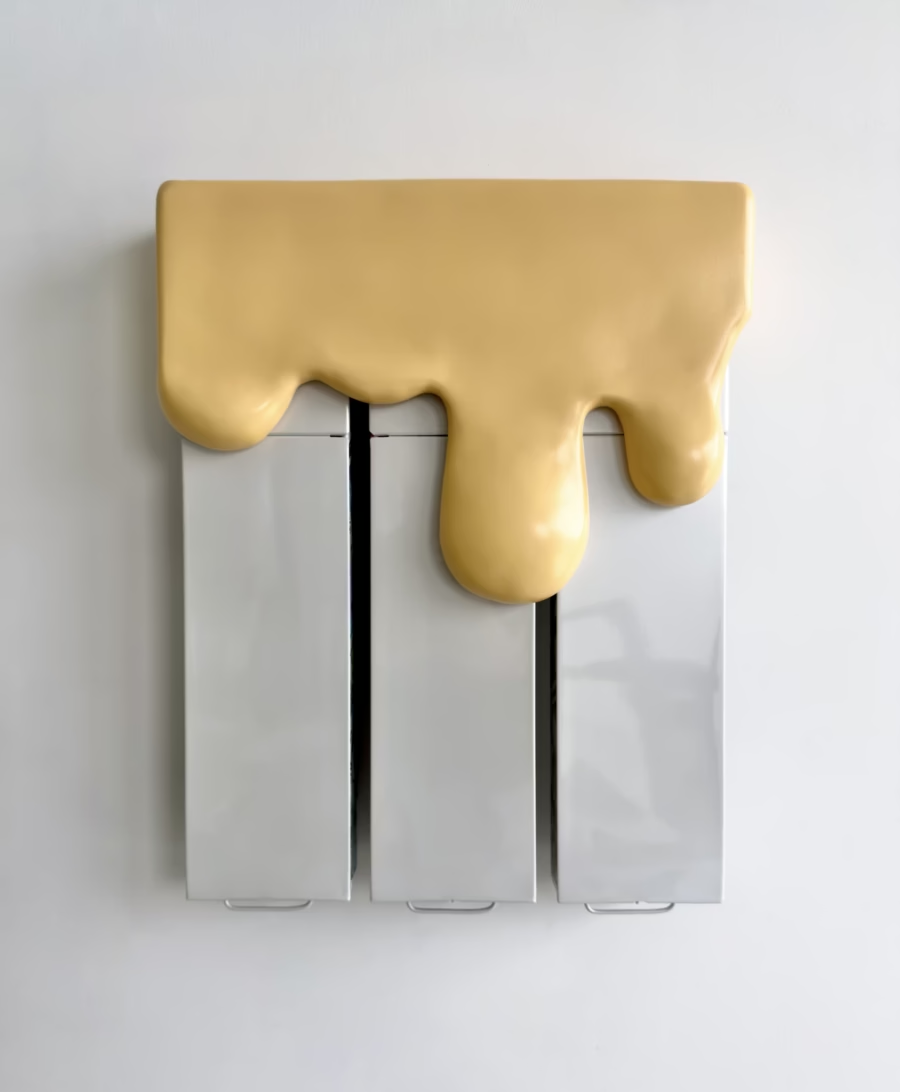
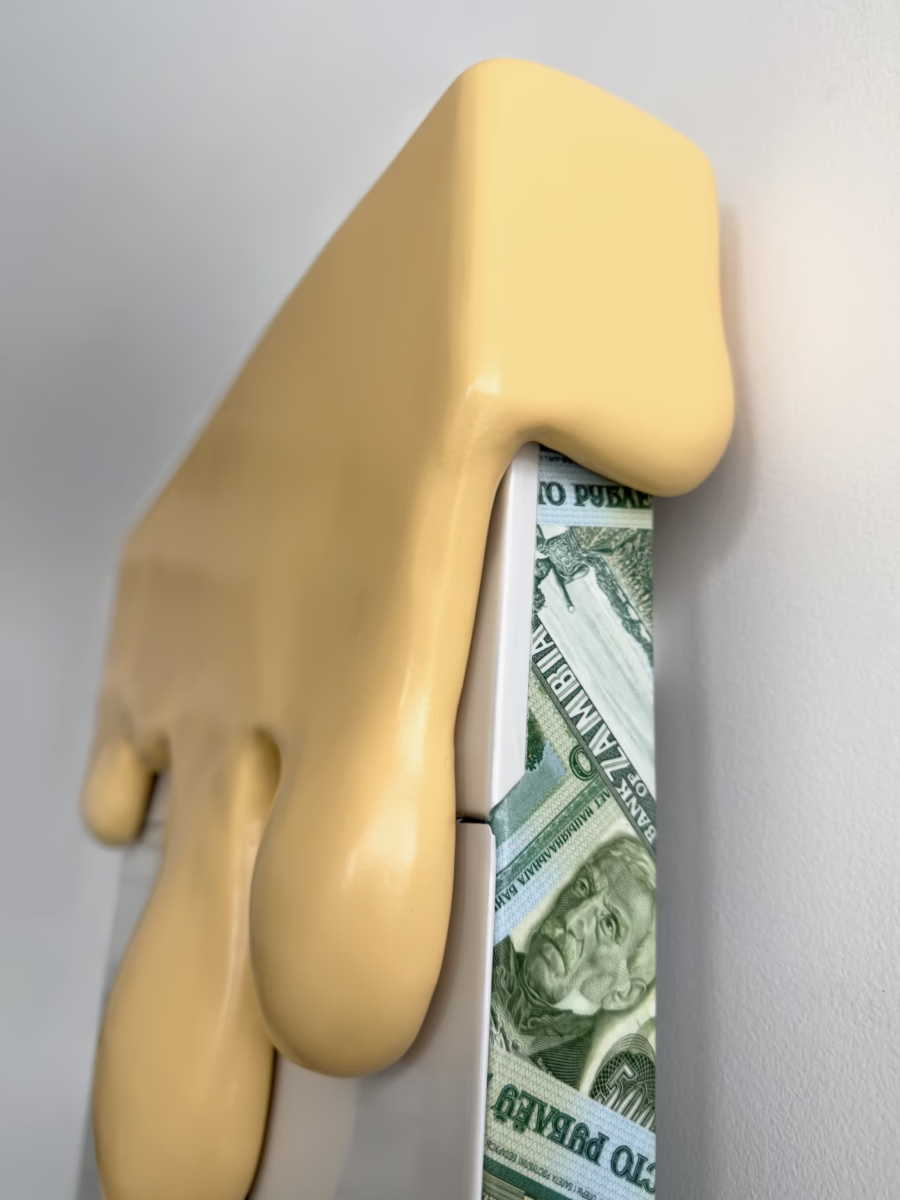
Covered Calls incorporates three deposit boxes recovered from a defunct Bank of America. Their sides are covered with currency from countries that have experienced hyperinflation and an orange epoxy substance spreads across the boxes. According to the artist, the material represents Bitcoin overtaking the traditional financial system.
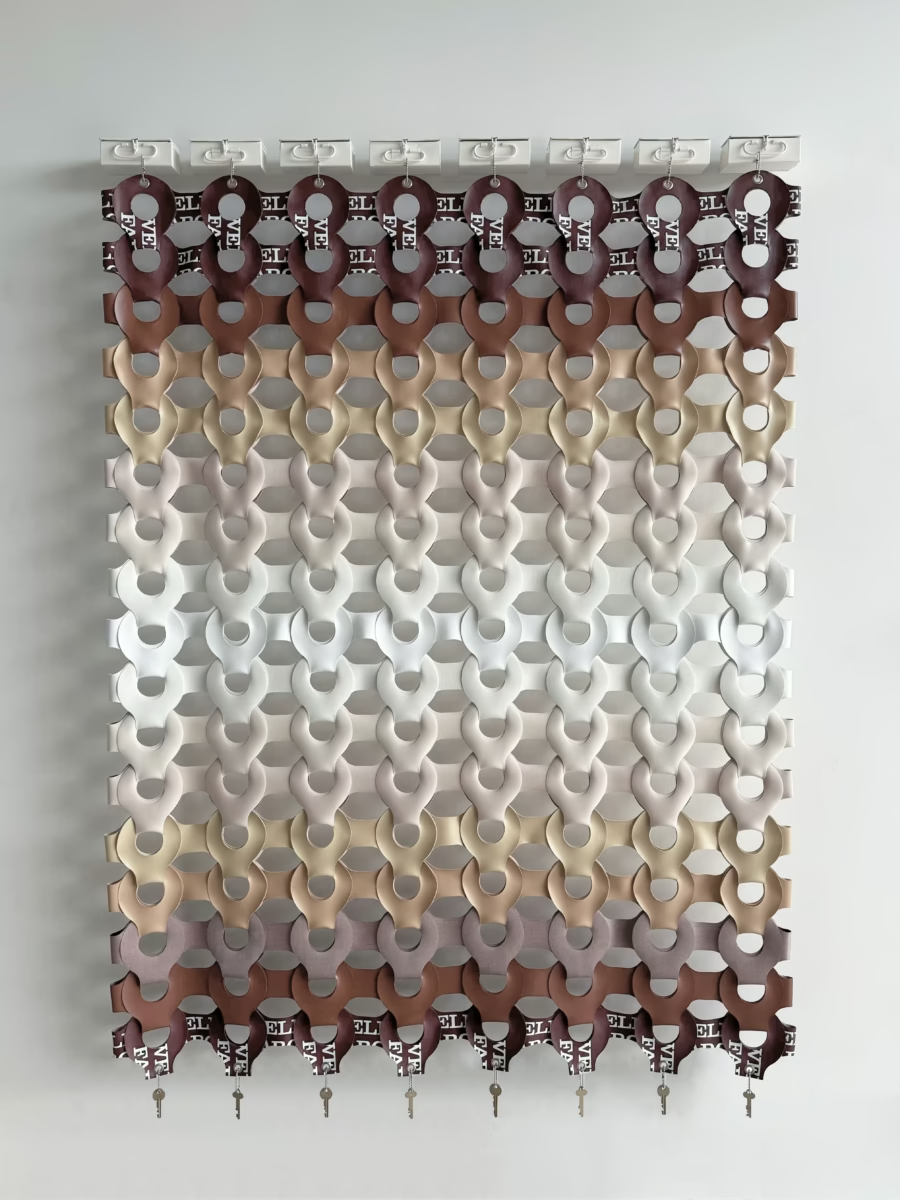
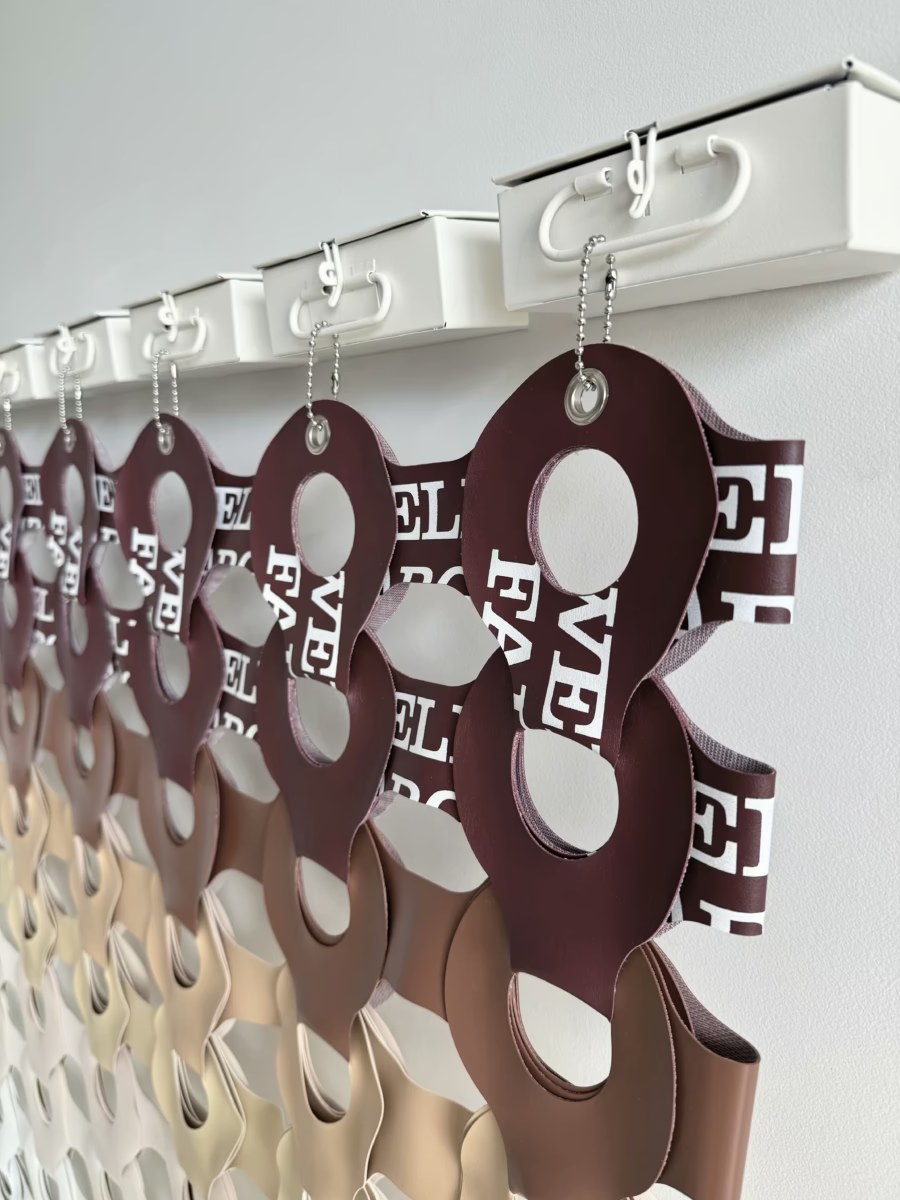
DEPOSIT WELLS is a large work measuring 50 x 61.5”, made from repurposed cash deposit bags, safe deposit boxes and keys. It brings together objects designed to hold money or restrict access to valuables. While they once served a practical function, the piece speaks to the role of the bank as middleman between you and your money.
ONWARD
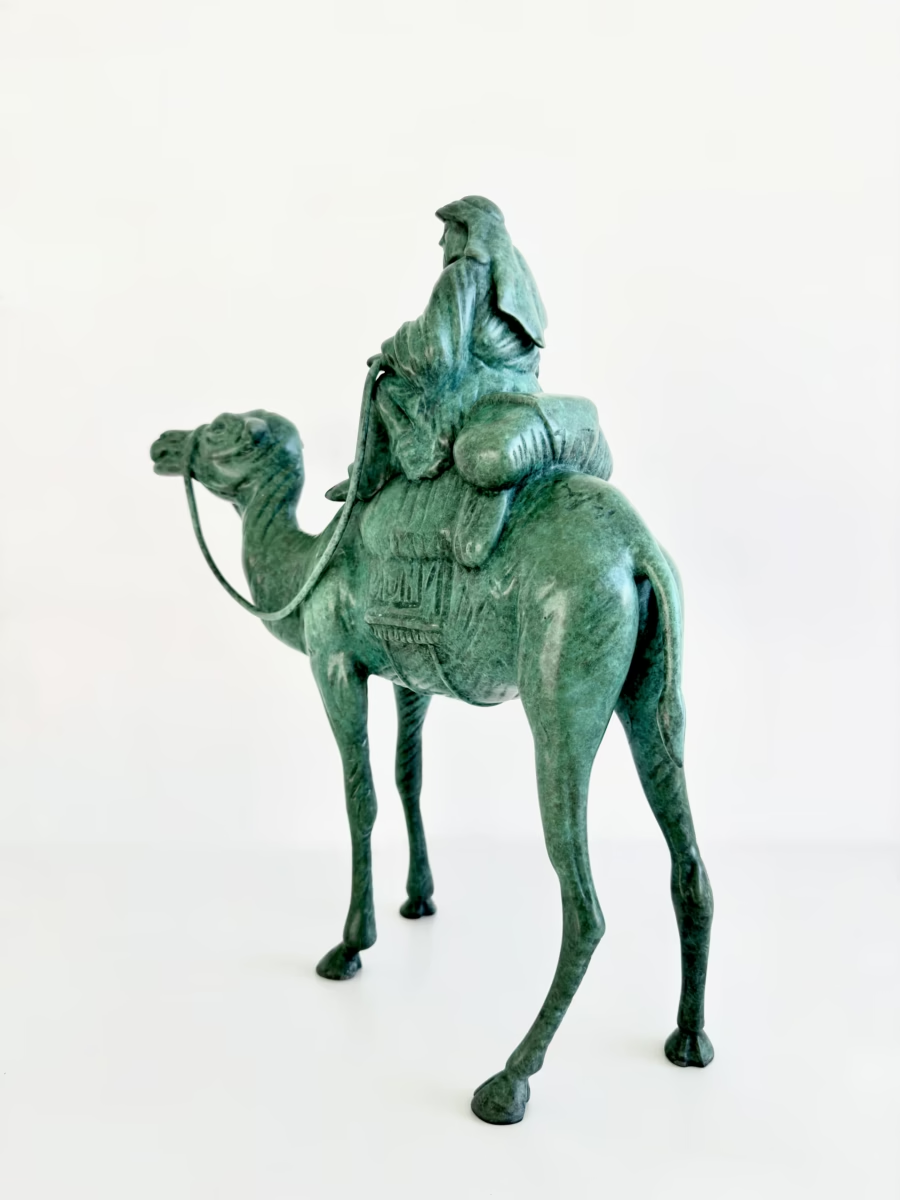
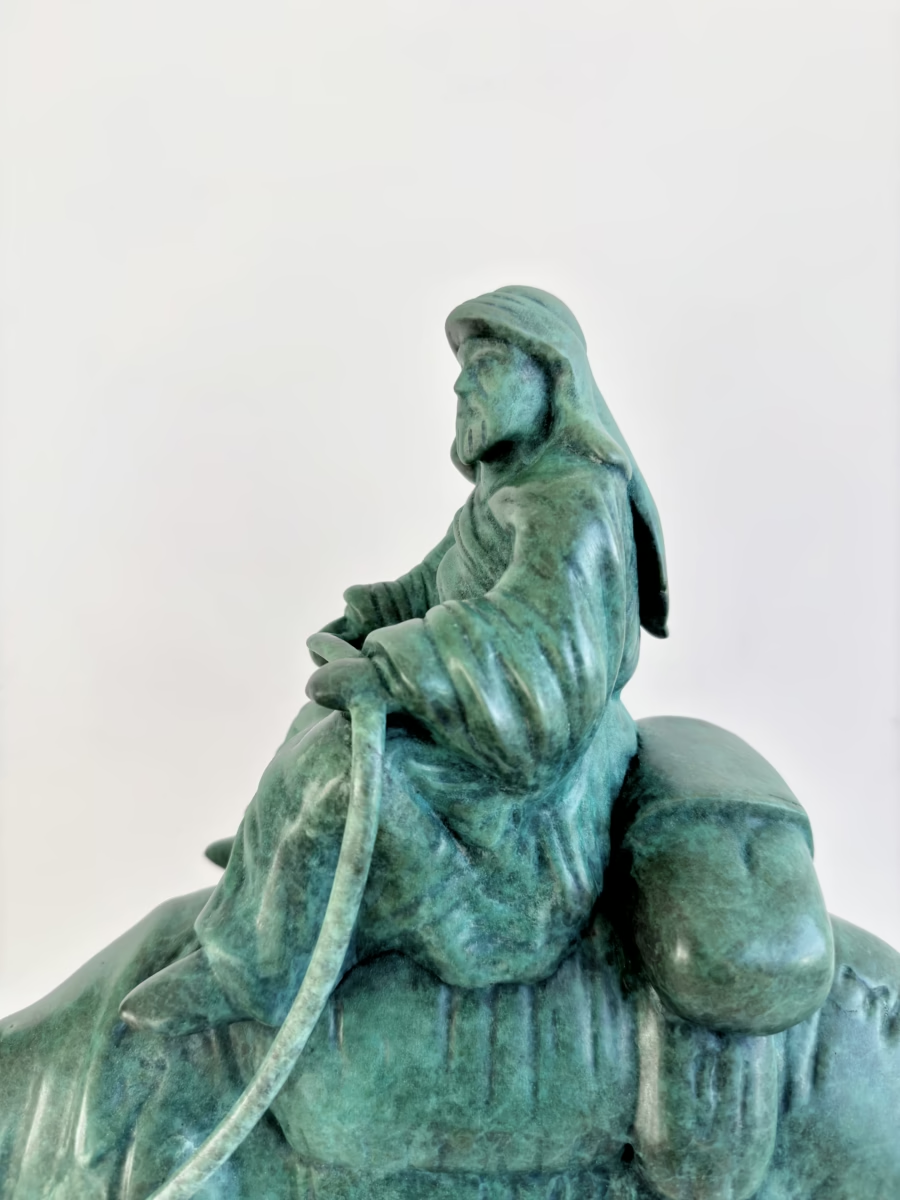
Onward is a bronze sculpture based on the camel logo of Silk Road honoring Ross Ulbricht, founder of the online marketplace, who was sentenced to life imprisonment before receiving a presidential pardon in January 2025.
“Onward pays homage to the plight of Ross Ulbricht and the unrelenting support from Bitcoiners throughout his endeavor toward freedom. The previously 2D iconography often associated with his incarceration is now an oxidized, 3D bronze sculpture. It is breathing and standing freely. Much like Ross and his supporters, the patina has weathered adversity and come out stronger.”, writes cryptograffiti.
FINNEY FREEDOM PRIZE
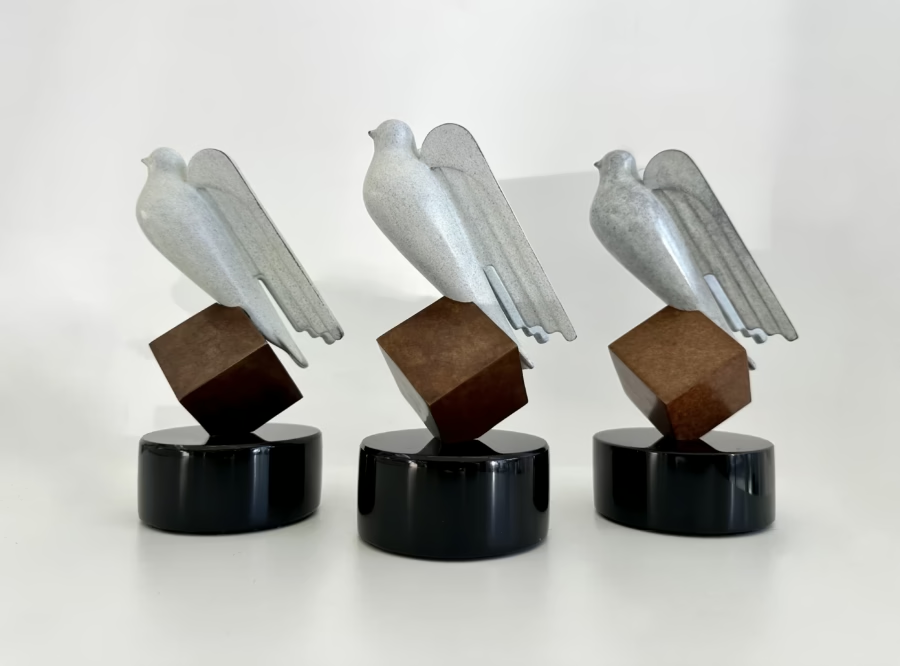
In 2024, the Human Rights Foundation established the Finney Freedom Prize with the approval of Fran Finney, wife of the late Hal Finney. Hal was an early contributor to Bitcoin and the recipient of its first transaction from Satoshi Nakamoto. His work in cryptography was closely connected to his belief that computers could protect individual liberty.
The prize recognizes contributions to Bitcoin and human rights across successive halving eras and each award includes a physical sculpture and one bitcoin.
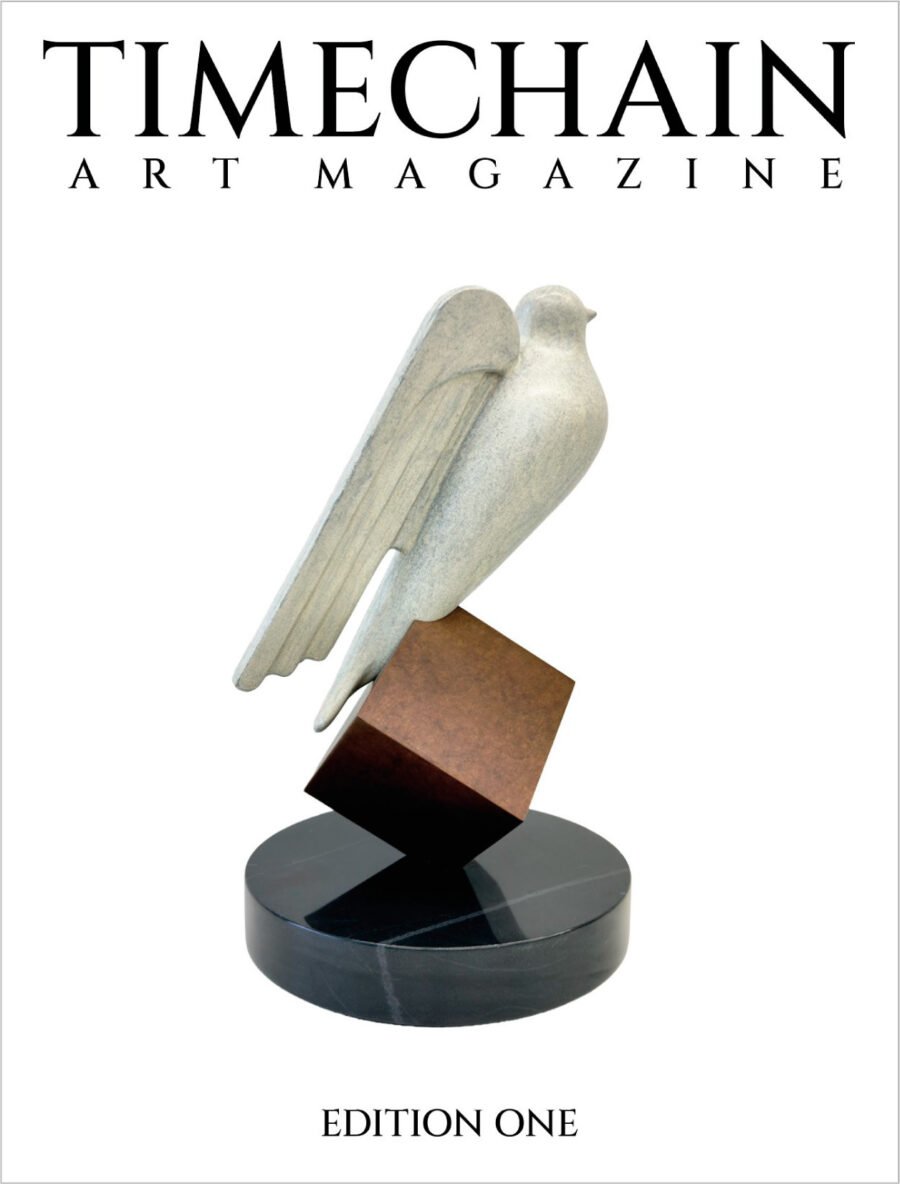
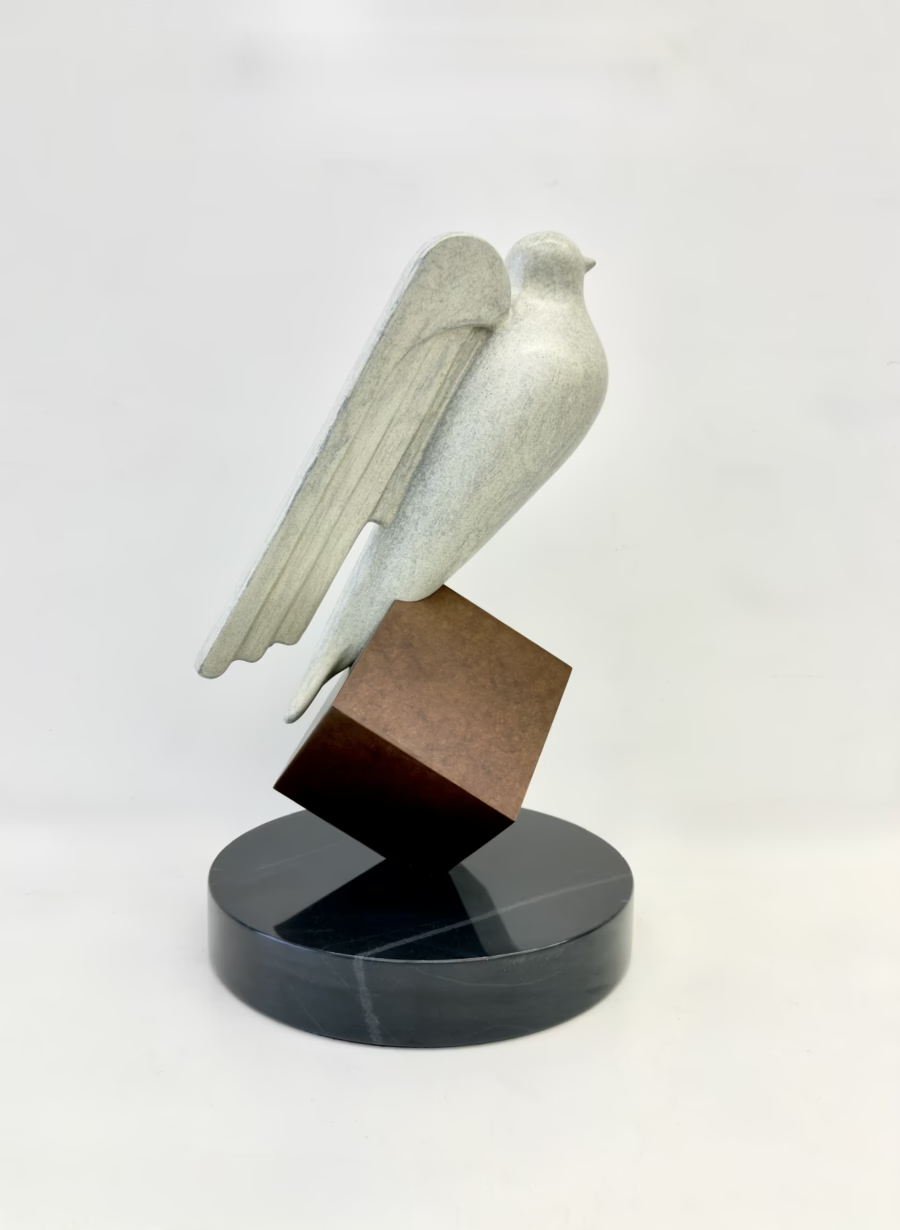
cryptograffiti was commissioned to design the sculptural award. His work depicts a bronze dove with a white patina, perched above a foundation shaped like a Bitcoin block. He was inspired by Hal’s belief in technology as a means of protecting freedom. He describes the dove as representing liberty, while the block acknowledges the Bitcoin network’s role in supporting it.
The Finney Freedom Prize sculpture appears on the cover of Timechain Art Magazine’s Edition One, a 154-page publication featuring 30 artists.
More than a decade after his first Bitcoin street art appeared in San Francisco, cryptograffiti continues to explore new subjects and materials in his work. His ability to take familiar objects and give them new meaning has become a distinctive part of his artistic practice, bringing Bitcoin’s ideas to people who might otherwise never encounter them.
Subscribe to the Timechain Art Newsletter